

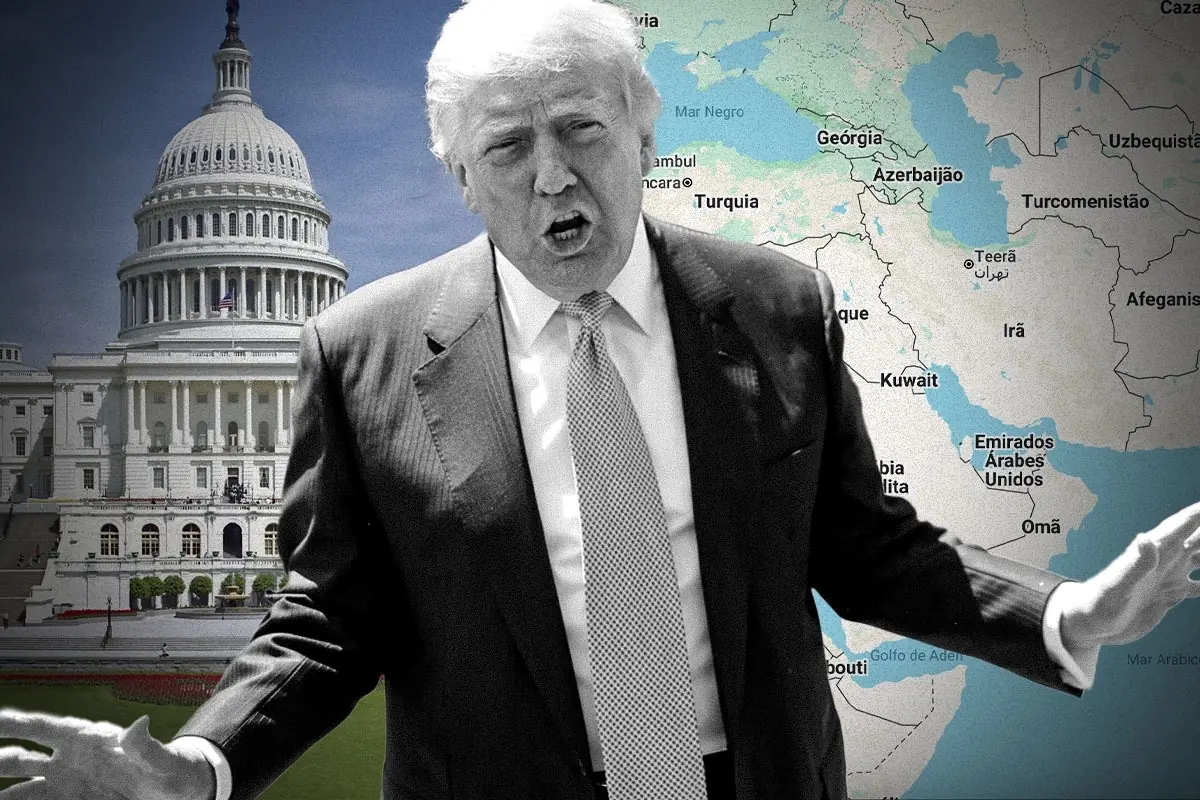
Donald Trump’s midterm election losses could hinder his domestic agenda and shift more of his attention to foreign policy. (Foto: Instagram)
Donald Trump’s loss in the U.S. midterm elections is expected to make it harder for the president to advance his domestic agenda and could shift more of his attention to foreign policy. With Democrats set to gain ground in Congress, Trump may face obstacles to passing legislation and funding government initiatives, potentially encouraging him to pursue international negotiations and military actions, where presidents have greater latitude.
That shift would not necessarily strengthen Trump politically, political scientist Gustavo Menon said. He described a familiar pattern in which a president who loses congressional support turns to areas where he depends less on lawmakers. But Menon noted a central complication: voters also punished the administration over foreign policy. He characterized a turn outward as an effort to sidestep domestic criticism rather than a response to the election results, and warned that Latin America and the Caribbean could become venues for displays of U.S. power.
Dissatisfaction with the economy and foreign policy contributed to Republican losses, according to a NORC poll conducted with The Washington Post that surveyed more than 90,000 voters. More than half of respondents identified the economy and jobs as major problems facing the country. Among those voters, Democrats held a 15-percentage-point advantage in House races. The war with Iran also weighed on the administration: More than 60% of voters who named the conflict as one of the country’s top issues voted for Democratic candidates. The military campaign put pressure on energy prices and intensified concerns about the cost of living.
The incoming Democratic majority is expected to make budget negotiations more contentious, raising the risk of a government shutdown, while Trump’s nominees for key positions could face resistance. On Wednesday, November 4, Trump acknowledged the defeat and praised his opponents, saying he was willing to work with Democrats. He congratulated them, said they had done a good job, and added that he could work with them on many issues. He also warned that he might veto any bill Democrats sent him, even one with broad support, saying he could return a package of 50 popular bills stamped “Veto.”
Democrats are also expected to gain greater power to investigate the White House through hearings and subpoenas. Potential subjects could include the Iran war, attacks on vessels in the Caribbean and Pacific, and military personnel removals associated with Defense Secretary Pete Hegseth. Deportation policies remain within the executive branch’s reach, but their funding could become a major budget dispute. Menon said the likeliest outcome was mutual obstruction between the White House and Congress, creating a crisis between branches of government.
The president can use executive orders, sanctions, tariffs, executive agreements and some military decisions to act internationally without first seeking congressional approval. Menon noted that the U.S. military offensive against Iran, which began February 28, was launched without legislative authorization. U.S. law sets limits on military operations without congressional approval, including a 60-day deadline to end the action or obtain authorization; Congress also controls funding. Menon said Trump’s options include unilateral measures, limited strikes and special operations, as well as personal diplomacy. The new congressional lineup will not take office until January 3, so Trump will continue dealing with the current Congress until then.
Menon identified four possible areas where Trump could seek diplomatic or political gains: a deal with Iran that might ease pressure on fuel prices and inflation; negotiations over the war in Ukraine, where Trump could seek credit for a settlement; trade and investment agreements, particularly with Asian countries such as China; and Latin America, where Menon said the domestic political cost of demonstrating U.S. strength could be lower. Menon said Trump might consider military intervention in Cuba, which he described as the most concerning risk for Latin American countries. He also cautioned that the election loss could weaken Trump’s bargaining position with Xi Jinping and Vladimir Putin, because foreign leaders know his term is limited and Congress could undo some commitments.


