

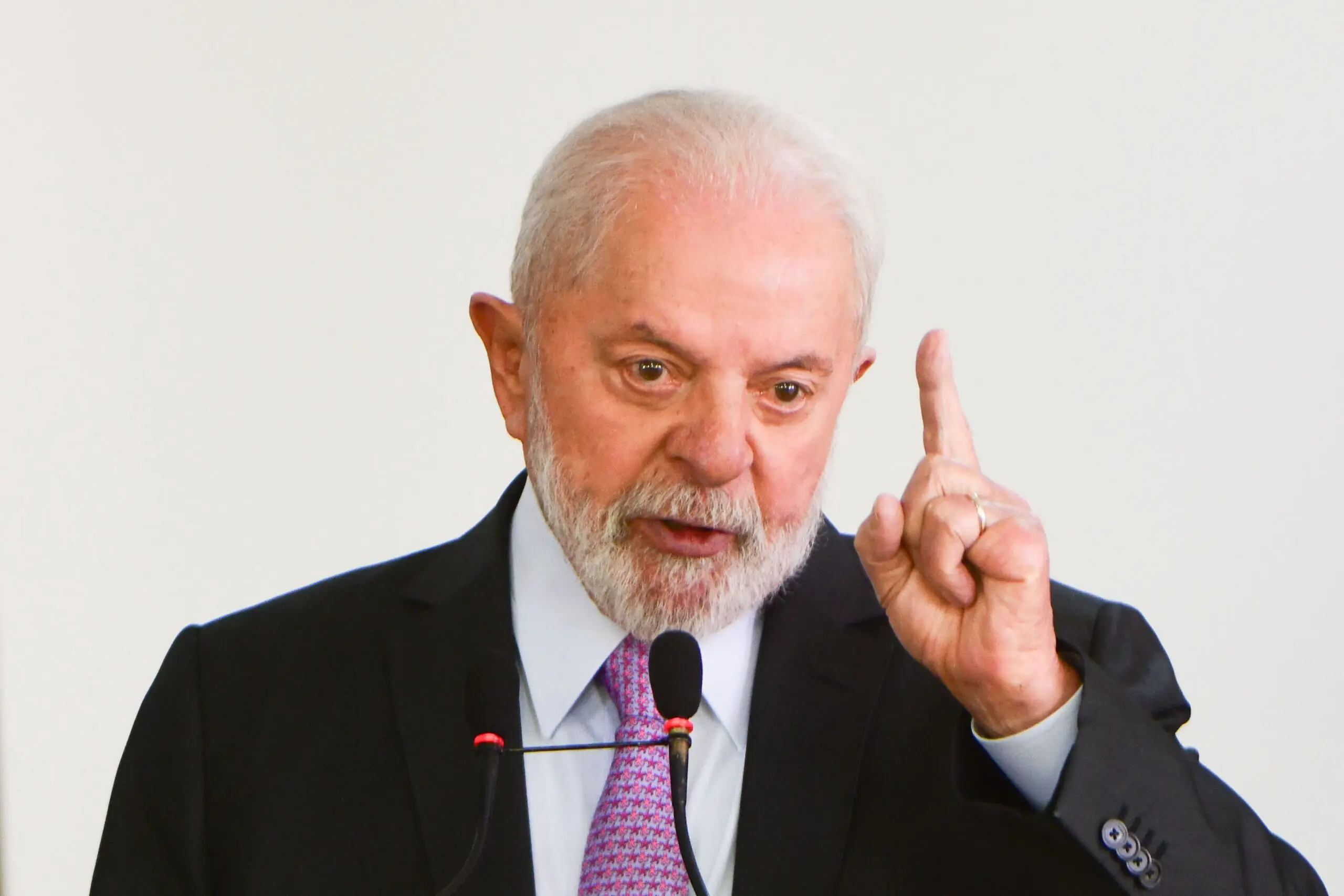
Brazilian President Luiz Inácio Lula da Silva is attending COP31 in Antalya, where Brazil’s renewable-energy record and continued oil exploration are drawing attention. (Foto: Instagram)
Brazilian President Luiz Inácio Lula da Silva is in Turkey for COP31, where he is expected to highlight Brazil’s record on issues including deforestation and, in particular, the energy transition. His agenda also faces scrutiny over Brazil’s continued oil exploration and obstacles to making better use of renewable energy.
Lula is scheduled to speak at least three times during the conference on Wednesday, Nov. 11. He will join the opening addresses with the presidents of Turkey and Australia, deliver a three-minute speech to heads of state, and speak at an event for the Tropical Forests Forever Facility. Energy transition is expected to be a central theme in each appearance.
Lula is expected to present figures from Brazil’s National Energy Balance 2026. The report says renewable sources accounted for 49.4% of the country’s overall energy mix in 2025, while renewables made up 86.8% of its electricity mix. Those figures are part of the case for Brazil’s climate leadership, but Heber Galarce, president of the National Institute for Clean Energy, said international commitments need to be matched by domestic measures that provide competitive energy, reliable supply, jobs, and investment. He said the conference offers an opportunity to press Brazil to align its international pledges with decisions at home.
Lula’s schedule in Antalya runs from Nov. 10 to 12 and includes bilateral meetings and high-level forums with other leaders, as well as events on forests and civil society. During the visit, COP leadership is due to pass to Turkey and Australia. Lula will then travel to Manila for a state visit and the 49th ASEAN Summit, with the goal of strengthening trade ties. ASEAN was Brazil’s fifth-largest trading partner in 2024, with bilateral trade totaling about $38 billion. A business forum involving 113 Brazilian companies from several sectors is also planned.
The government’s climate message comes alongside continued development of fossil fuels. During Lula’s administration, Petrobras moved forward with exploration of new wells at the mouth of the Amazon River. A report released this week by Observatório do Clima, Stand.earth, ClimaInfo, and WWF-Brasil said Petrobras had obtained $61.5 billion in financing from major banks since the Paris Agreement was signed. Galarce said Brazil’s challenge is not simply to increase power generation, but to upgrade the electricity system so it can use available renewable energy more effectively.
That effort, he said, requires coordinated investment in transmission and distribution networks, energy storage, generation near consumers, and measures that encourage greater electricity use. He said renewable energy needs to reach transportation, industry, buildings, and isolated communities, supported by accessible financing, charging infrastructure, modernized distribution networks, and local storage where appropriate. The transition, he added, should also benefit people who cannot afford to install their own equipment.
Galarce warned that slow decision-making and regulatory uncertainty could undermine the opportunity. He called for continued regulatory progress, fewer barriers to new technologies, and investment decisions guided by the benefits projects can deliver. In his view, Brazil’s renewable-energy advantage should translate not only into climate commitments, but also into lower electricity costs and greater economic competitiveness.


