



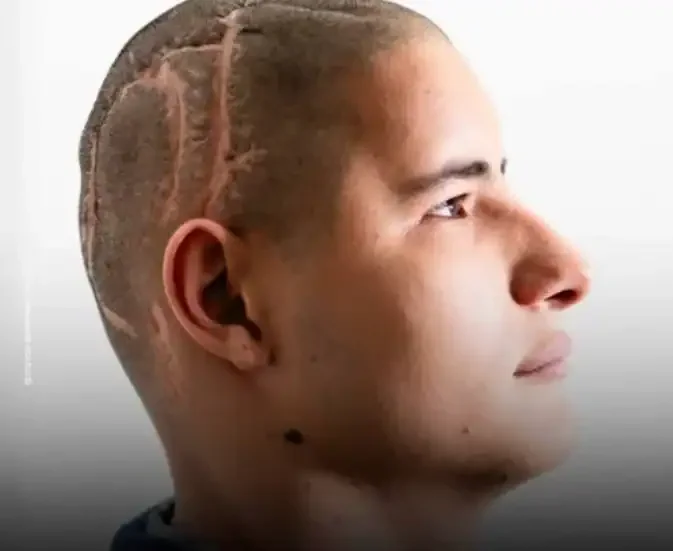
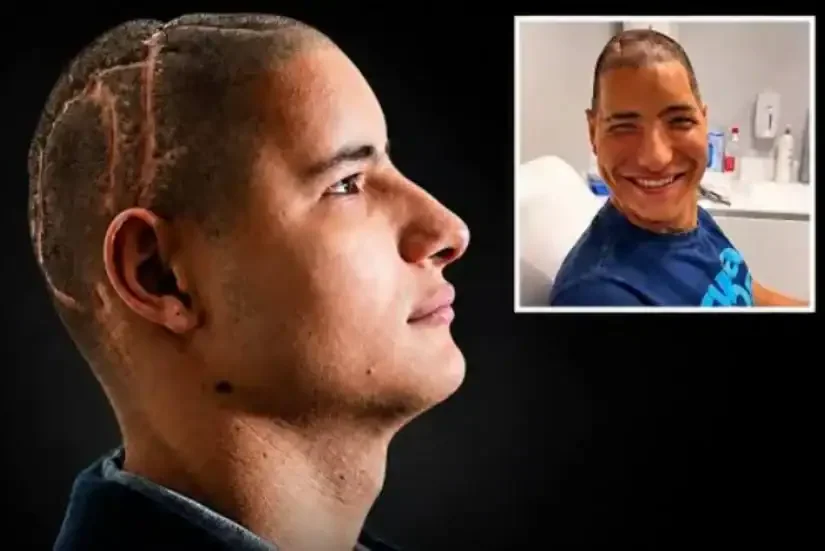


Roque was born prematurely in Spain in 2008, after only 29 weeks of gestation. His birth came about 11 weeks before the period considered ideal for delivery, according to the account of his story. He faced serious health complications from the beginning, and doctors were concerned about his prospects for survival and development. Years later, after overcoming some of the difficulties described in the account, he recorded an intelligence quotient, or IQ, score of 131—above the reference average of 100.
Roque’s arrival was marked by a lack of adequate oxygen and a grade 3 cerebral hemorrhage. The account says the hemorrhage could have significant consequences for neurological development. Doctors reportedly estimated that only about 20% of his brain mass had the capacity to function. He also faced blindness and serious problems involving his digestive system. With those complications, the outlook for his survival and future development was described as worrying.
Premature birth means that a baby is born before completing the usual period of pregnancy. Roque’s gestation lasted 29 weeks, substantially less than the roughly 40 weeks commonly used as a reference for a full-term pregnancy. The account describes his birth as occurring approximately 11 weeks earlier than the ideal period. It does not provide further details about the circumstances of the delivery, the specific medical care he received, or how long he remained under hospital care.
The complications described at birth affected different aspects of Roque’s health. The reported oxygen problem and cerebral hemorrhage involved concerns about the brain and neurological development. The account also identifies blindness and serious digestive problems, but does not explain how those conditions were treated or how they changed over time. It does not provide additional medical records or identify the physicians involved. The available details therefore describe the challenges he faced without setting out a complete medical history.
A grade 3 cerebral hemorrhage is identified in the account as a serious condition, but no further information is provided about the precise location of the bleeding, its course, or the care used to address it. The article’s description does not establish what effects the hemorrhage had in Roque’s individual case beyond the initial concerns about development. Medical conditions can differ from one patient to another, and the details presented here should not be taken as a full clinical assessment of his health.
The doctors’ reported estimate that about 20% of Roque’s brain mass had the capacity to function was part of the early picture described in the account. It does not explain how that estimate was reached, what specific functions were assessed, or whether the figure referred to a particular test or observation. The account also does not say that this estimate remained unchanged as Roque grew. Instead, it describes an early prognosis and then recounts a later course that differed from expectations.
The initial outlook suggested that, if Roque survived, he might face several limitations. The account does not list all the limitations doctors anticipated or provide a detailed timeline of the prognosis. It does say that his survival and development were uncertain and that his condition caused serious concern. Those early expectations form the contrast with the progress described later in his childhood.
Despite the difficulties, Roque overcame the first health challenges and showed significant development during childhood, according to the account. One change highlighted was the recovery of his vision. The article does not state when that recovery occurred or describe the treatment or circumstances involved. It presents the return of his sight as a development that went against the initial expectations described in his story.
As the years passed, another aspect of his development drew attention: his intellectual abilities. Roque demonstrated cognitive skills that prompted curiosity among people following his progress. In an evaluation, he received an IQ score of 131. The account compares this result with a reference average of 100 and characterizes his score as indicating elevated intellectual performance. It also says he showed a memory considered unusual.
An IQ score is a result from an assessment, not a complete description of a person’s abilities or life. The reported score of 131 is presented in relation to the reference average of 100, but the account does not identify the assessment used, the date it was administered, or the conditions in which it took place. It also does not provide other scores or explain how the evaluation measured different skills. The reported result is one element of Roque’s story rather than a full account of his development.
Likewise, the description of Roque’s memory as outside the ordinary range is not accompanied by details about how it was assessed. The account does not give examples of tasks he completed or explain whether the observation came from a formal evaluation. It reports the memory characteristic alongside his IQ score as a feature that stood out as he grew older.
The story’s central contrast is between the serious concerns at the time of Roque’s birth and the abilities described later. His premature delivery, inadequate oxygen, grade 3 cerebral hemorrhage, blindness and digestive problems formed the early challenges. His subsequent progress, including recovery of his vision and the intellectual abilities identified in an evaluation, took a different course from the worrying initial outlook.
The account does not provide information about Roque’s present-day health, education, work, or daily life, and it does not give his age at the time of the IQ evaluation. It focuses instead on the progression from a difficult start to the developments reported during childhood and later years. On that basis, his trajectory is described as one of overcoming adversity and as a story of hope, while the medical and assessment details remain limited to those reported.


