

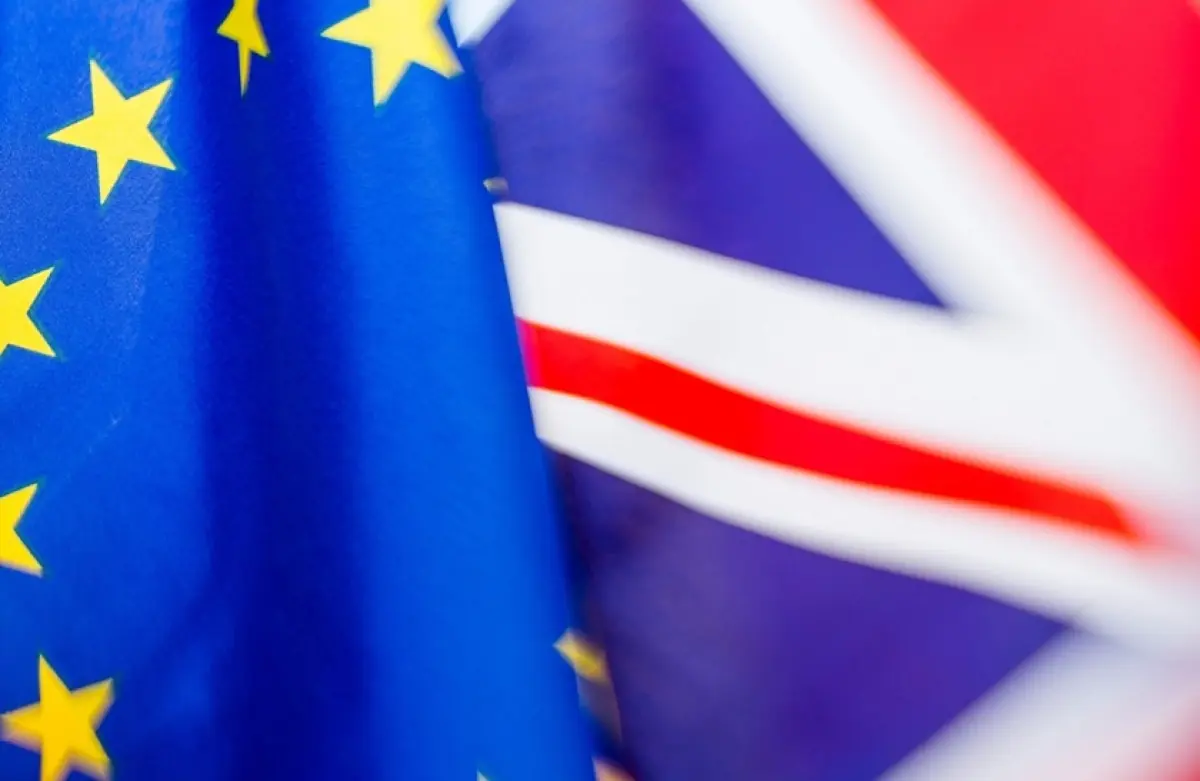
The United Kingdom and the European Union reached agreements in Brussels on food trade, youth mobility, and carbon emissions cooperation. (Foto: Instagram)
The United Kingdom and the European Union reached agreements in Brussels on Nov. 20, 2026, aimed at easing food trade and travel, work and study opportunities for young people. The deals mark another step toward closer ties a decade after the Brexit vote that led the United Kingdom to leave the bloc. They also include cooperation on food controls and carbon emissions.
The agreements are intended to help rebuild diplomatic and commercial ties, but a dispute over tuition fees for European students at British universities remains unresolved. EU officials have identified the issue as a necessary condition for the overall pact to take effect. The discussion about reducing the fees was postponed for six months.
British Prime Minister Andy Burnham said after the meeting that he wants to begin a joint discussion with EU countries next year about relations between London and Brussels. He said the United Kingdom and Europe share values, interests and a geopolitical environment, adding that they are stronger together in an increasingly dangerous world. A closer partnership, he said, would benefit workers, the United Kingdom and Europe. Burnham also described the agreements as a positive day for both sides and said the deal reached together was mutually beneficial.
On food trade, the parties agreed to align sanitary rules and remove certificates and inspections required since Brexit for agricultural goods, animals and food to move between the two sides. The measure is expected to take effect in March 2028. It could add as much as 5.1 billion pounds a year to the British economy; the source gives the approximate equivalent as $6 million.
The youth mobility program will allow people ages 18 to 31 to live, work, study and travel in the other territory for up to three years. Participation will be capped at 100,000 people annually, after the United Kingdom agreed to increase the proposed limit from 50,000. The two sides also agreed to connect their carbon emissions trading systems, allowing carbon permits to be used in both markets. The arrangement is expected to exempt products such as steel and aluminum from carbon tariffs at the border.


